
The EU Batteries Regulation, Explained for Importers

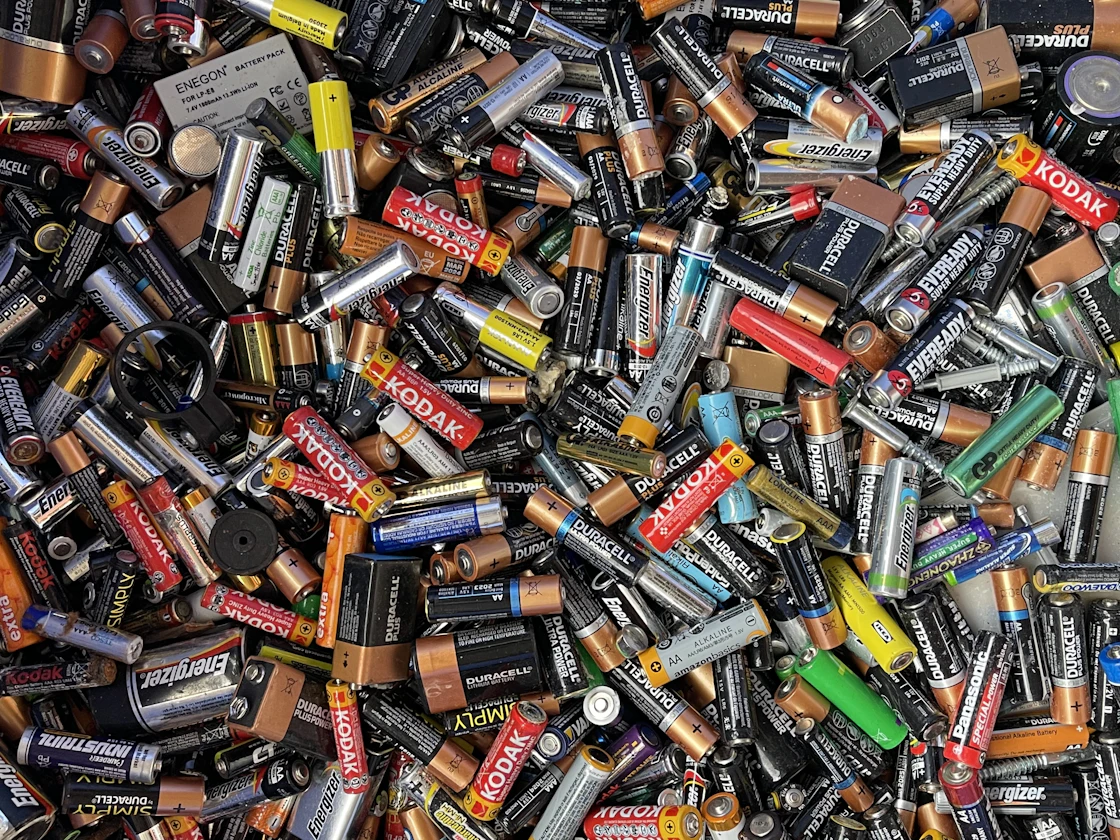
Nobody used to ask where the lithium in a battery came from, or how much carbon went into making it. Since 18 February 2024, the EU does.
The EU Batteries Regulation It treats a battery as a product with a history you have to prove, from the mine to the recycling bin.
If you make, import, or sell batteries in the EU, this is now the rulebook.
At a glance:
- The rulebook is Regulation (EU) 2023/1542. It applied from 18 February 2024 and replaced the 2006 Batteries Directive.
- It sorts every battery into five categories: portable, LMT, industrial, electric-vehicle and SLI.
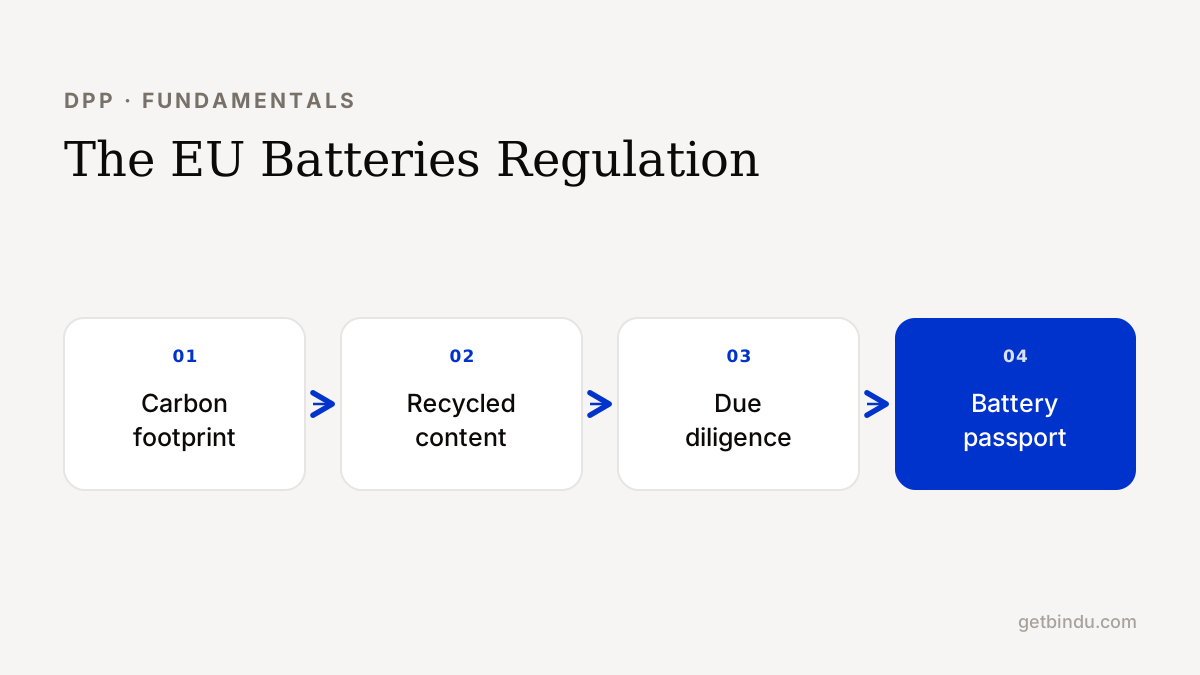
- The duties travel with the battery: carbon footprint, recycled content, due diligence, labelling, a QR code and a battery passport.
- The battery passport and its QR code become mandatory on 18 February 2027.
- The recycled-content minimums start to bite in 2031.
What is the EU Batteries Regulation?
The EU Batteries Regulation is Regulation (EU) 2023/1542, the single law that governs every battery placed on the EU market. It entered into force on 17 August 2023. It has applied since 18 February 2024, replacing the old 2006 Batteries Directive.
The shift from a directive to a regulation is the whole story. A directive is written into each country's own law. A regulation applies directly and identically across the EU. So this is one battery rulebook for the entire market.
It covers the full life of a battery: how it is made, what goes into it, how it performs, and what happens when it dies. Annex XIII then sets out the data the passport has to carry.
Who does it apply to?
The regulation sorts batteries into categories: portable, LMT, industrial, electric-vehicle, and SLI (starting, lighting and ignition). Different duties attach to different categories, so the first job is knowing which box a battery sits in.
LMT batteries are batteries that power light means of transport, the vehicle class the regulation labels LMT. SLI batteries are the starting, lighting and ignition batteries that most vehicles carry.
An economic operator is the manufacturer, importer or distributor that places a battery on the EU market. That operator is the duty holder. If you bring batteries across the EU border, the obligations are yours. You cannot pass them back up the chain to a supplier outside the bloc.
What does it actually require?
The regulation is a stack of duties that ride on the battery itself, not a single form.
- Carbon footprint. EV, LMT and industrial batteries must carry a declared carbon footprint, calculated on a set method.
- Recycled content. Industrial, EV and SLI batteries must contain minimum recycled shares of key metals: by 2031, at least 16% cobalt, 85% lead, 6% lithium and 6% nickel.
- Supply-chain due diligence. Larger operators must run due diligence on the raw materials behind their batteries, such as cobalt, lithium, nickel and natural graphite.
- Labelling and QR. Batteries carry labels and a QR code linking to their data. Labelling requirements apply from 2026, the QR code from 2027.
- The battery passport. For LMT, industrial and EV batteries, a battery passport is mandatory from 18 February 2027.
- Collection and recycling. Targets for collecting waste batteries and recovering materials, plus rules making portable batteries removable and replaceable.
Supply-chain due diligence is the duty to check and manage the social and environmental risks tied to the raw materials in a battery. It is not a one-off form. It is an ongoing policy that a larger operator has to run and can be asked to show.
This is the same shape as the rest of modern trade compliance: the product has to carry proof of how it was made.
Which batteries carry which duties
Not every duty lands on every category. The three headline duties map onto the five categories like this:
| Battery category | Carbon footprint | Recycled content | Battery passport |
|---|---|---|---|
| Portable | No | No | No |
| LMT | Yes | No | Yes |
| Industrial | Yes | Yes | Yes |
| Electric-vehicle | Yes | Yes | Yes |
| SLI | No | Yes | No |
Labelling and the QR code sit outside this table. They reach across the categories. So does the collection and recycling regime, which is why portable batteries also have to be removable and replaceable by the user.
The recycled-content minimums
The recycled-content rule targets four metals. Each battery in scope has to prove it holds at least this share of recycled material by 2031:
| Metal | Minimum recycled share by 2031 |
|---|---|
| Cobalt | 16% |
| Lead | 85% |
| Lithium | 6% |
| Nickel | 6% |
These are floors, not targets, and they rise further in later years. The rule bites on industrial, electric-vehicle and SLI batteries. To prove a share, an operator has to trace the metal back through the cells, which is why recycled content and due diligence tend to travel together.
A worked example: importing EV batteries
Say a company imports electric-vehicle batteries into the EU from a factory outside the bloc. It is the importer, so it is the economic operator. The duties are its own.
Because these are EV batteries, four duties apply at once:
- It must declare the carbon footprint of each battery model, on the set method.
- It must meet the recycled-content minimums for cobalt, lead, lithium and nickel once they bite in 2031.
- If it is a larger operator, it must run supply-chain due diligence on the cobalt, lithium, nickel and natural graphite behind the cells.
- It must publish a battery passport for each battery and print the QR code that opens it, from 18 February 2027.
The labels go on from 2026. The passport and QR code follow on 18 February 2027. Miss any one of these and the battery is not ready for the EU market.
The dates that matter
The regulation phases in over several years. This is the timeline to plan against:
| Date | What happens |
|---|---|
| 17 August 2023 | The regulation enters into force. |
| 18 February 2024 | Most rules start to apply. |
| 2026 | Labelling requirements apply. |
| 18 February 2027 | The QR code and the battery passport become mandatory. |
| 2031 | The recycled-content minimums bite. |
Where Bindu fits. The regulation stacks several duties on one battery, each with its own evidence and its own date. Bindu keeps them on a single record for that battery, so due diligence, carbon footprint, recycled content and the passport are not four separate spreadsheets. See the battery passport breakdown.
FAQ
What is the EU Batteries Regulation? It is Regulation (EU) 2023/1542, the EU law covering every battery placed on the EU market. It sets rules on carbon footprint, recycled content, supply-chain due diligence, labelling, collection and recycling, and the battery passport. It replaced the 2006 Batteries Directive, Directive 2006/66/EC.
Source: EUR-Lex: EU Batteries Regulation (EU) 2023/1542
Source: EUR-Lex: Directive 2006/66/EC, the batteries directive it replaced
When did the EU Batteries Regulation come into force? It entered into force on 17 August 2023 and has applied since 18 February 2024. Individual obligations phase in on later dates through to 2031.
Source: European Commission: Batteries
What are the recycled-content requirements? Industrial, electric-vehicle and SLI batteries must contain minimum recycled shares of key metals. By 2031 the minimums are at least 16% cobalt, 85% lead, 6% lithium and 6% nickel, rising further in later years.
Source: European Commission: Batteries
Which batteries need a carbon footprint declaration? Electric-vehicle, LMT and industrial batteries must carry a declared carbon footprint, worked out on a set calculation method.
Source: EUR-Lex: EU Batteries Regulation (EU) 2023/1542
Which raw materials does the due diligence cover? The supply-chain due diligence focuses on the key raw materials behind batteries, such as cobalt, lithium, nickel and natural graphite.
Source: European Commission: Batteries
Who has to comply with the EU Batteries Regulation? The economic operators that make, import or distribute batteries on the EU market. The specific duties depend on the battery category (portable, LMT, industrial, electric-vehicle, or SLI).
Source: EUR-Lex: EU Batteries Regulation (EU) 2023/1542
Does the EU Batteries Regulation require a battery passport? Yes. For LMT, industrial and electric-vehicle batteries, a battery passport is mandatory from 18 February 2027, accessed through a QR code on each battery.
Source: EUR-Lex: EU Batteries Regulation (EU) 2023/1542, Article 77