
What is REACH? EU Chemical Rules for Importers

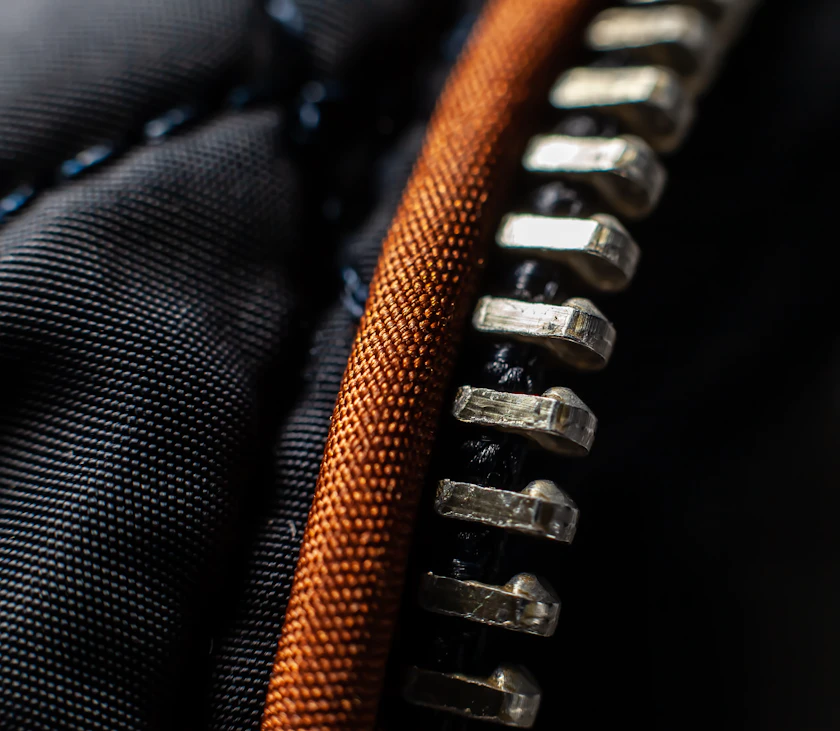
A batch of zip pulls arrives: metal, coated, dyed, sourced from three factories. Nobody on the importer's desk knows what is in the coating.
That question is where REACH starts for most importers. Not with a form. With a material you cannot fully see.
At a glance:
- REACH is EU Regulation (EC) No 1907/2006, in force since 2007.
- Its four stages are Registration, Evaluation, Authorisation and Restriction.
- The rule points at roles: manufacturer, importer, downstream user.
- Most importers of finished goods watch one number: the 0.1% threshold for a substance of very high concern in an article.
- Since Brexit there are two systems, EU REACH and UK REACH.
What is REACH?
REACH is the EU regulation on chemicals. The full name is Registration, Evaluation, Authorisation and Restriction of Chemicals.
It is Regulation (EC) No 1907/2006. It has been in force since 2007, and it is one of the widest chemical laws in the world.
The idea is simple: if a chemical is made or sold in the EU, someone has to know what it is and prove it is safe to use. The rule puts that burden on industry, not on regulators.
For an importer, that shifts the work. You cannot assume a supplier abroad has done the REACH job for you. The duty sits with the company that places the goods on the EU market.
Its motto captures it: no data, no market. If the data is missing, the substance does not get sold.
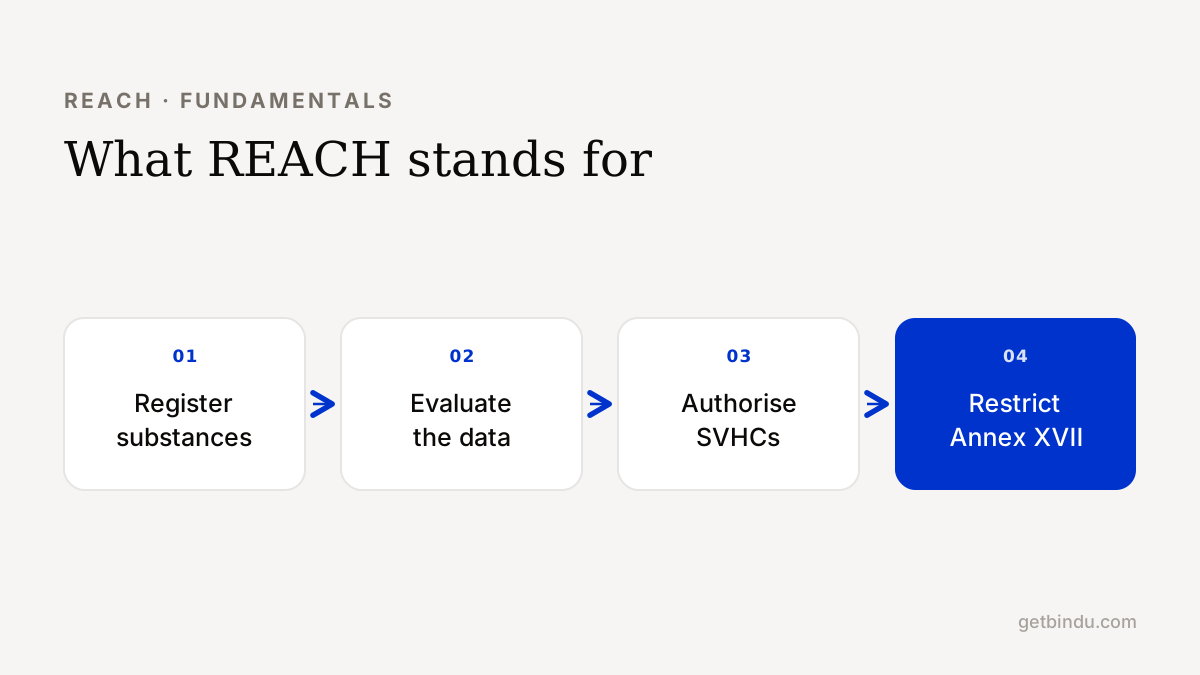
The four steps behind the name
The name is the law in four words. Each one is a stage.
- Registration. Anyone who makes or imports a substance at one tonne a year or more must register it with ECHA, the European Chemicals Agency, with a dossier on its properties and safe use.
- Evaluation. ECHA and member states check those dossiers and can ask for more testing where the data looks thin.
- Authorisation. The most dangerous substances go on a list that phases them out. Using them needs a specific, time-limited permission.
- Restriction. Some uses are capped or banned outright. These limits live in REACH Annex XVII, the restriction list ECHA maintains.
This table lines the four stages up against what sets each one off and who carries the duty.
| Stage | What triggers it | Who carries the duty |
|---|---|---|
| Registration | A substance made or imported at one tonne a year or more | Manufacturer or importer |
| Evaluation | A registration dossier that needs a closer look | ECHA and the member states |
| Authorisation | Use of a substance on the authorisation list | The company using that substance |
| Restriction | A use limited or banned under Annex XVII | Anyone placing the article on the market |
Registration is about the raw substance. Restriction reaches all the way into the finished article on your shelf.
Who has to comply?
REACH points at roles rather than company types. One business often wears more than one hat.
A manufacturer is a business that makes a substance in the EU. An importer is a business that brings a substance, a mixture, or an article into the EU from outside it. A downstream user is a business that uses a chemical in its own process.
If you import goods into the EU, you are very likely an importer under REACH. That holds even when you never handle a drum of chemicals. An article, a physical object like a toy or a garment, can carry regulated substances inside it.
So the duty follows the product, not the paperwork you expected to file.
The 0.1% threshold
Most importers of finished goods never register a substance. Their duty is narrower, and it turns on a single threshold.
If an article contains a substance of very high concern above 0.1% by weight, duties switch on. You may have to notify ECHA, and you must pass information down the chain and to any consumer who asks.
The Candidate List is ECHA's public list of substances of very high concern. You can check it on the ECHA Candidate List table, and we explain it in full in what is an SVHC. The list grows over time, so a part that read clear last year can carry a duty today.
The 0.1% test applies per article, not per shipment. A small coated part inside a larger product, such as a zip pull sewn into a jacket, can trip it on its own.
A worked example: the zip pulls
Take the zip pulls from the top of this page.
First, the role: you buy them from outside the EU and sell them inside it, so you are an importer.
Second, the article: each zip pull is an article on its own, and the coating is where any regulated substance would hide.
Third, the threshold: you ask each factory what the coating contains, then check it against the Candidate List. If a listed substance sits above 0.1% of the weight of that zip pull, the duty switches on.
Fourth, the response: you notify where required, and you tell your buyers what the article holds and how to use it safely.
Nothing here needed a lab on day one. It needed the question asked of the right party, and an answer you can keep on file.
There is no REACH certificate
Buyers often ask for a REACH certificate. There is no such document, because REACH does not issue one.
What you hold instead is proof: registration numbers where a substance had to be registered, and a dated declaration for the substances in your products, backed by the data behind it.
So when a customer asks for your REACH certificate, the answer is a file, not a badge. It shows which substances you checked, against which list, and on what date.
A note on UK REACH
Since Brexit there are two systems. EU REACH covers the EU market. UK REACH is the separate Great Britain version, with its own registrations and its own list.
Northern Ireland stays under EU REACH. So a single British supplier can face both regimes at once, depending on where the goods end up.
How REACH fits the rest of trade compliance
REACH asks what a product is made of. The other EU rules ask different questions about the same object: where the material grew, what it cost in carbon, how its box gets recycled.
A garment can owe a REACH answer on its dye, an EUDR answer on any leather trim, and a packaging answer on the polybag it ships in. An imported bicycle frame adds a CBAM figure for its aluminium. Separate laws with separate lists, all landing on one customs entry. That overlap is the part of trade compliance that catches importers out.
Where Bindu fits. Each part is matched to the substances it is made of, checked against the Candidate List version of the day and the Annex XVII limits that apply, and turned into a dated declaration you can hand over on request. See the REACH breakdown.
FAQ
What does REACH stand for? REACH stands for Registration, Evaluation, Authorisation and Restriction of Chemicals. It is EU Regulation (EC) No 1907/2006, the main EU law controlling chemical substances on their own, in mixtures, and inside articles.
Source: EUR-Lex: REACH, Regulation (EC) No 1907/2006 (consolidated)
Do importers have to comply with REACH? Yes. An importer that brings substances, mixtures, or articles into the EU carries REACH duties. For most importers of finished goods the key duty is checking whether an article contains a substance of very high concern above 0.1% by weight, and then notifying and communicating as required.
Source: EUR-Lex: REACH Article 33, duty to communicate on substances in articles
Is there such a thing as a REACH certificate? No. REACH does not issue a certificate. Compliance is shown through registration where required, and through a dated declaration and supporting data for the substances in your products.
Source: EUR-Lex: REACH, Regulation (EC) No 1907/2006 (consolidated)
What is the 1 tonne threshold in REACH? A manufacturer or importer of a substance at one tonne or more per year must register that substance with ECHA. Below one tonne, registration is not required, though other duties, such as those tied to the Candidate List, can still apply.
Source: EUR-Lex: REACH Article 6, general obligation to register substances
Does REACH still apply in the UK after Brexit? EU REACH applies to the EU market and to Northern Ireland. Great Britain runs a separate system called UK REACH. A supplier selling into both markets can face both regimes.
Source: HSE: UK REACH